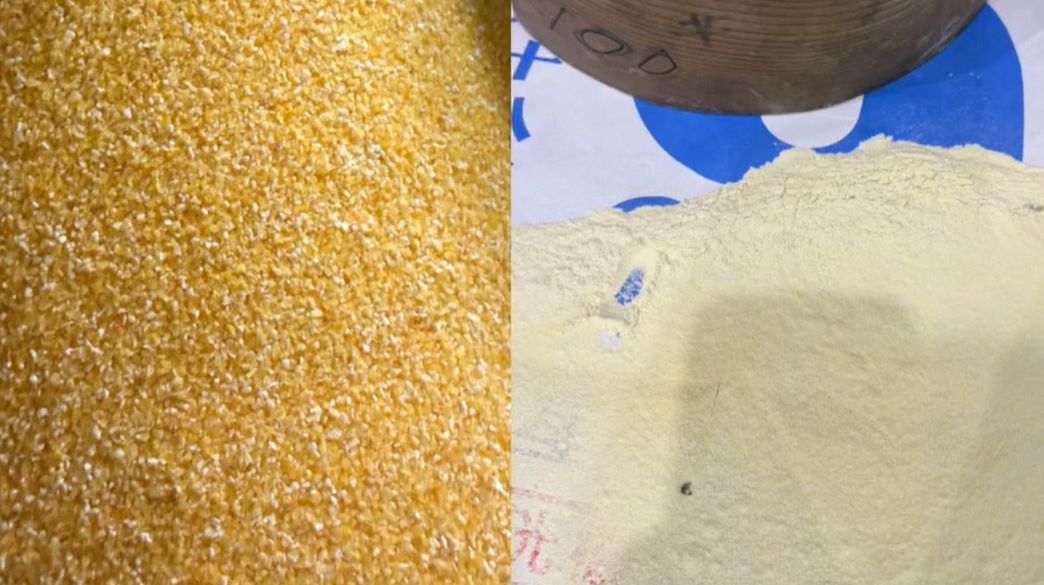
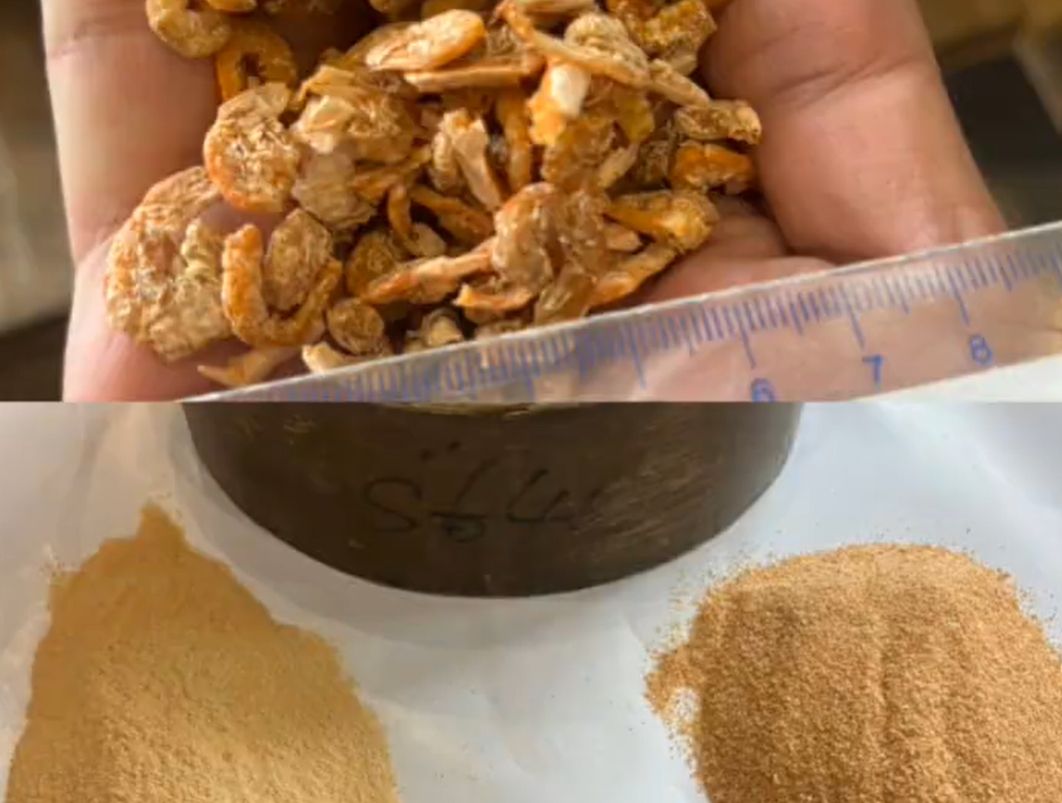
Grinding Mill: Achieving Consistent Fineness and Efficiency
Optimize grinding mill performance by understanding material properties, equipment, and operating conditions to boost efficiency and consistency.
Grinding mills are core to many industrial processes. Consistent fineness and efficient operation directly impact product quality, energy consumption, and overall production reliability.
To achieve reliable results, materials, machines, and operating conditions must work together effectively. When even slight deviations can affect grinding performance, understanding how these factors interact is the key to stable production.
Impact of powder fineness and grinding efficiency on product quality and production costs
Powder fineness determines how a product behaves downstream, including uniformity, mixing behavior, and dissolution performance.
Finer particles often enhance product performance, but they also require more energy during milling. As a result, grinding efficiency directly influences production costs.
Inefficient milling can increase power consumption and decrease overall output consistency, leading to reprocessing, process instability, and equipment wear, all of which add to costs.
Balancing target fineness and grinding efficiency helps manufacturers produce consistent products without unnecessarily increasing operating and maintenance expenses.
Powder fineness determines how a product behaves downstream, including uniformity, mixing behavior, and dissolution performance.
Finer particles often enhance product performance, but they also require more energy during milling. As a result, grinding efficiency directly influences production costs.
Inefficient milling can increase power consumption and decrease overall output consistency, leading to reprocessing, process instability, and equipment wear, all of which add to costs.
Balancing target fineness and grinding efficiency helps manufacturers produce consistent products without unnecessarily increasing operating and maintenance expenses.
Key factors affecting grinder performance
Several factors, including raw material properties, required particle size, and overall system setup, impact grinding stability, fineness, and productivity:
-
Raw material characteristics
- Moisture content
Raw materials with high moisture levels, such as fresh herbs, soybean hulls, and rice bran, tend to clump and stick to grinding surfaces, lowering efficiency, while dry materials can produce more dust and cause heat buildup. Moisture also affects flowability, which impacts how smoothly the material enters the grinding chamber. - Hardness and fiber structure
Harder materials increase energy consumption and equipment wear. High-fiber materials, such as herbs or agricultural byproducts, are more difficult to grind uniformly, leading to inconsistent particle sizes. - Particle size and distribution
The uniformity of feed particle size plays a major role in energy consumption and finished product quality. Consistent particle sizes help achieve more efficient milling and maintain stable equipment operation.
-
Equipment design and type
- Grinding tool structure
Each grinder design applies a specific grinding mechanism suited for different materials and fineness targets. The most common systems include hammer-type mills, blade-type mills, pin mills, and air classified mills. - Classification system design
How a grinder separates and collects particles determines the stability of its output. Mills with air classification blades offer tighter particle size control and help prevent heat buildup during processing.
Screen-mesh systems provide dependable size control for coarser products, but they can slow down throughput and are more prone to clogging when handling high-fiber or high-moisture materials.
-
Operating Parameters
- Feed rate
Feeding material too quickly can overload the grinding chamber, causing blockages and uneven particle size. Feeding too slowly reduces throughput and prevents the mill from operating at optimal efficiency. - Rotational speed
Higher rotational speeds generally produce finer powder, but they also increase energy consumption and equipment wear. The optimal speed for each material depends on hardness and moisture level. - Temperature control
Temperature control during the grinding process prevents degradation, gelatinization, or melting of heat-sensitive materials. Effective cooling systems also reduce agglomeration and protect both product quality and equipment stability.
-
Maintenance and management
- Regular cleaning
Regular cleaning keeps the grinding pathway clear, prevents material buildup, and minimizes the risk of cross-contamination. Removing dust and residue improves airflow inside the system and helps the grinder maintain consistent performance over long production runs. - Lubrication and part replacement
Timely lubrication minimizes friction and prevents premature wear, while routine part replacement keeps grinding surfaces sharp and effective. These practices are essential for extending equipment lifespan and ensuring smooth day-to-day operation. - Calibration and inspection
To maintain a predictable particle size distribution, grinders must be calibrated at scheduled intervals. Inspections help detect worn parts, clogged screens, or changes in system resistance before they can impact performance. - Hammer-type mills: Use high-speed impact to break down brittle or medium-hard materials. Most suitable for coarse to medium fineness, biomass, grains, and general agricultural waste.
- Blade-type mills: Rely on cutting and shearing to process fibrous or soft materials. Commonly used for herbs, leaves, and materials that require controlled cutting. Ideal for medium-fine powders, spices, food ingredients, and heat-sensitive materials.
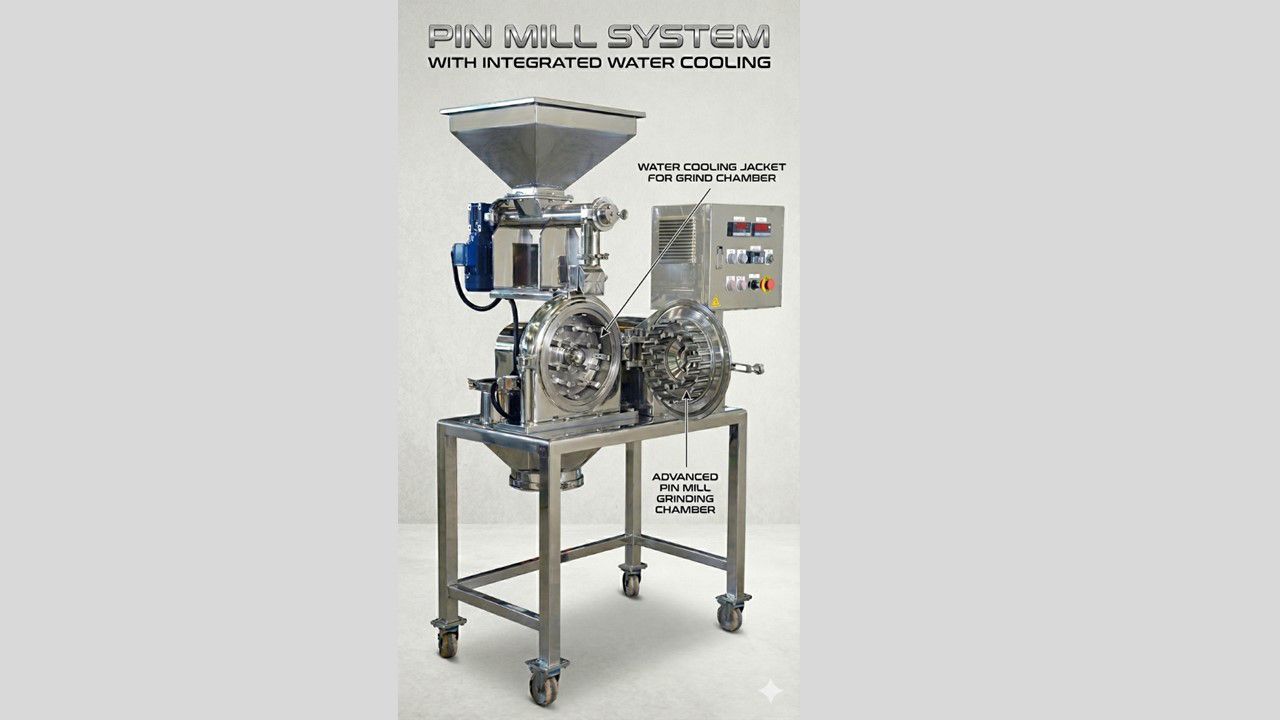
- Pin mills: Use interlocking pins to deliver uniform, high-speed impact for finer particle sizes and powder uniformity.
- Air classified mills: Combine grinding with built-in air classification to achieve narrow particle size distribution and ultrafine powders. Used for precision applications such as functional additives and ultrafine agricultural waste powders.
- Material selection: Stainless steel (SUS304 or SUS316) prevents rust and metal contamination.
- Easy-to-clean design: Streamlined designs prevent powder residue buildup and cross-contamination.
- Compliance with international standards: Equipment with certifications such as CE, FDA, and GMP ensures regulatory compliance.
- Using high-efficiency motors and variable frequency control to adjust speed based on processing needs.
- Selecting equipment designed for low energy consumption and effective dust control to reduce power loss and emissions.
- For large-scale capacity requirements, consider modular production lines or integrated systems to reduce unit costs while maintaining flexibility.
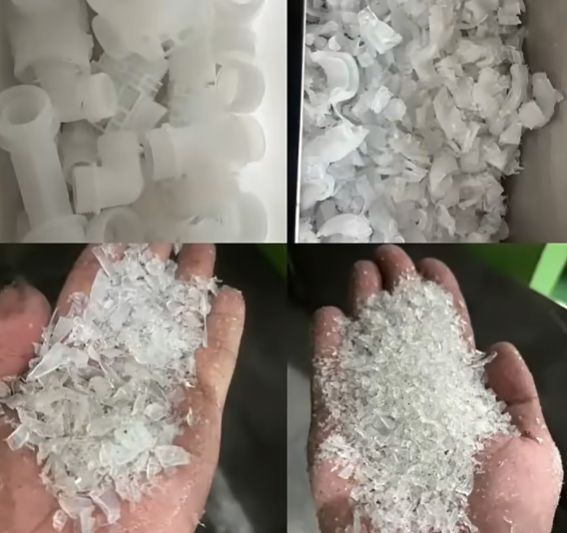
Methods to improve grinder performance
Manufacturers can improve grinding efficiency by:
1. Selecting appropriate equipment and grinding tools
- The correct grinding tools and method can make a night-and-day difference in output quality and efficiency. Match the equipment to the material’s hardness, fiber content, and heat sensitivity:
2. Optimizing operating conditions
Grinder performance improves when operating conditions are properly controlled. A steady, uniform feed prevents clogging, reduces load fluctuations, and ensures more consistent particle size.
Fine-tuning settings, such as rotational speed and screen mesh size, further allows manufacturers to balance fineness, throughput, and equipment lifespan.
For heat-sensitive materials, liquid nitrogen cooling or cooling airflow systems help control heat buildup and keep material properties stable during grinding.
3. Improving automation and monitoring
By integrating sensors that track temperature, pressure, and current, manufacturers understand real-time operating conditions and can make timely adjustments.
Automated feeding systems also help maintain a stable material input. For example, screw conveyors or metered feeding units maintain a steady material flow.
4. Increasing maintenance and servicing frequency
Proactive maintenance and inspection are among the most effective ways to ensure long-term milling efficiency.
Schedule routine checks on grinding surfaces, bearings, and screen meshes to identify worn parts before they affect output. Additionally, defining replacement cycles for essential parts minimizes sudden stoppages and downtime.
5. Integrating auxiliary equipment
Installing dust collection systems helps improve workplace conditions and product purity. Vibration-type or pulse-type dust collectors remove fine particles, reduce airborne dust, and stabilize airflow within the milling system.
For high-fiber or high-moisture materials, incorporating preprocessing equipment such as drying units, cutting machines, or coarse crushers helps prepare the material for smoother downstream grinding.
Case study: Song Fa, Singapore
When Singapore’s iconic Bak Kut Teh brand, Song Fa, sought to improve the consistency of its white pepper grind, it partnered with Mill Powder Tech to upgrade its mill process.
Mill Powder Tech installed a PM-4 pin mill equipped with a variable-frequency drive. This allowed Song Fa to precisely adjust the grinding chamber speed, while interchangeable screen meshes enabled multiple fineness levels using a single machine.
As a result, Song Fa could simultaneously produce coarse pepper that bursts with aroma and fine powder used as seasoning. The improved uniformity, flavor release, and production efficiency helped Song Fa maintain its signature taste while achieving far more stable and cost-effective output.
FAQs
Q1: What safety and hygiene standards should be considered in the design of food-grade grinding equipment?
- Food manufacturers should pay particular attention to:
Q2: How can manufacturers improve capacity while maintaining energy efficiency and cost control?
- This can be achieved by:
Why Manufacturers Choose Mill Powder Tech
To achieve consistent finesse and efficient milling performance, manufacturers need a mill process that aligns materials, equipment, and operating parameters. And the first step is choosing equipment that suits your material and target fineness.
Based in Taiwan, MPT is a professional manufacturer of grinding mills. With over 80 years of experience in milling and powder processing, MPT delivers reliable equipment, custom systems, and long-term support. Our lineup of pin mills, hammer mills, and air classified mills helps businesses achieve stable particle size control and unmatched production efficiency.
Discover how MPT enhances your production line, reach out now.