
Guide to Powder Processing Equipment: Definition and Types | Turbo & Pin Mills for Food/Chemical Powders - Mill Powder Tech
Stay updated with Mill Powder Tech announcements — product news, trade show schedules and company updates for customers and partners worldwide.
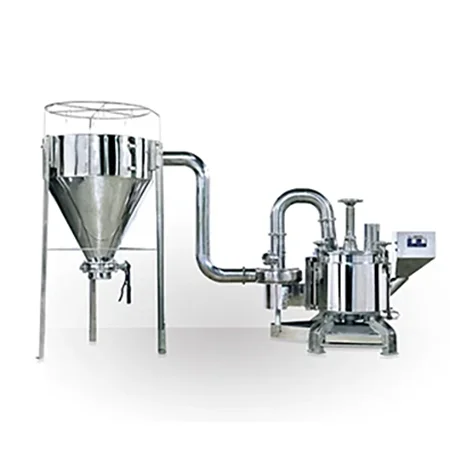
Guide to Powder Processing Equipment: Definition and Types
Behind many everyday products, such as coffee powder, protein supplements, and even cement, is a complete lineup of machines that turn raw materials into fine powders.
Powder processing equipment is used across food, pharmaceutical, and chemical industries to achieve precise particle sizes, ensure consistency, and enhance product quality.
This guide walks you through the basics: what powder processing equipment does, the types of machines, and where they’re used.
What Is Powder Processing Equipment and How Does It Work?
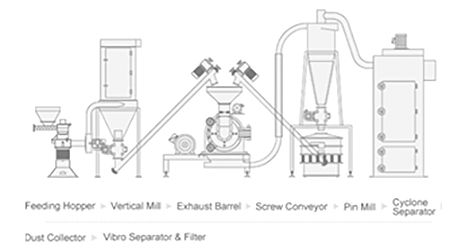
Powder processing equipment is a broad category of machinery used to process solid materials into fine powder. In production lines, they help improve formulation accuracy, ensure even texture, and simplify packaging and storage.
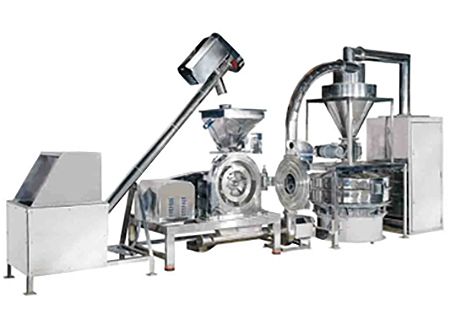
Most powder processing systems work by applying mechanical force, heat, or airflow to break down or modify materials. Depending on the process, this could mean grinding, crushing, or classifying particles.
Their core functions include milling and grinding, mixing, sieving, drying, and packaging. All these steps work together to ensure consistent product quality throughout the production process.
Common Types of Powder Processing Equipment
Different types of powder processing equipment are used depending on the material characteristics and desired particle size:
● Milling & Grinding Machines
Milling and grinding machines are the foundation of powder processing. They break down bulk materials into smaller, finer particles.
Each type of machine is designed for different materials and processing goals:
1. Hammer Mill: Breaks down coarse materials such as grains, cereals, or dried roots using high-speed impact. It’s commonly used in the food processing industry for size reduction and pre-grinding stages.
2. Pin Mill: Applies high-speed rotation, impact, and shear to produce fine and uniform powders. Many industries, including food, pharmaceuticals, chemicals, and cosmetics, rely on pin mills.
3. Ball Mill: Uses tumbling steel balls for ultra-fine grinding. Common in chemical and mineral industries. It’s widely used in chemical, mineral, and material science applications where high precision is required.
4. Air Classifier Mill: Combines grinding and air classification in a single system and uses high-velocity airflow to achieve micron-level fineness. It’s ideal for pharmaceutical, chemical, and high-purity applications.
5. Turbo Mill: Offers high-speed impact, centrifugal force, and versatility across industries, including food, chemical, and recycling sectors.
● Mixing Equipment (Mixers & Blenders)
1. Ribbon Mixer: Features a horizontal design with spiral ribbons that gently and evenly blend materials.
2. Rotary Cone Mixer / Double Shaft Mixer: Suits large-volume or sensitive formulations, such as seasoning blends, chemical additives, and nutrition powders.
● Sieving & Screening Equipment
Sieving and screening machines separate, classify, and refine powders for consistent quality. They make sure particles are uniform and remove oversized particles or impurities:
1. Vibratory Sifter: Uses vibration to separate and classify particles by size. It’s ideal for removing unwanted food, chemical, or pharmaceutical debris.
2. Centrifugal Sifter: Utilizes high-speed rotating paddles and centrifugal force for finer separation of powder materials.
● Drying Equipment
Drying equipment is used to remove moisture from powder materials, enhancing shelf life and flowability. By reducing water content, these systems help prevent clumping, microbial growth, and product degradation:
1. Fluid Bed Dryer/ Spray Dryer: Both are commonly used in the food, pharmaceutical, and chemical industries to produce clean, uniform powders. Fluid bed dryers use warm air to gently and evenly dry materials, while spray dryers quickly convert liquid mixtures into fine, free-flowing powders.
● Conveying & Storage Systems
Conveying and storage systems make it easier to transfer and hold powders without contamination or waste. They help production lines run more efficiently by connecting each processing step and keeping materials clean and contained:
1. Screw Conveyors/ Sealed Storage Hoppers: Ensure clean, dust-free material transfer and stable storage in food, chemical, and pharmaceutical manufacturing.
Applications of Powder Processing Equipment
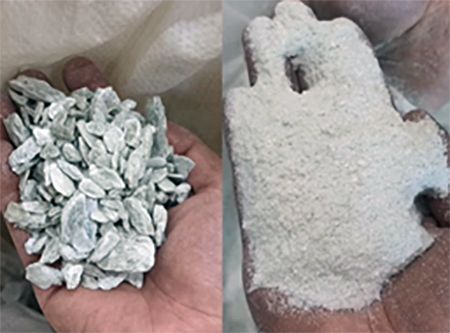
Many manufacturers rely on powder processing equipment to achieve the right particle size, texture, and consistency. They play a vital role in these industries:
● Food industry: Processes ingredients such as flour, sugar, spices, coffee, protein, and nutritional supplements to achieve uniform texture and extended shelf life.
● Pharmaceutical industry: Ensures precise particle control for APIs and powdered formulations, improving dosage consistency, solubility, and bioavailability.
● Chemical industry: Produces resin, dye, and additive powders in consistent particle sizes for plastics, coatings, and industrial compounds.
● Construction: Handles cement, gypsum, and mineral powders used in building materials to ensure consistency and stability in formulation.
● Agriculture: Processes feed, fertilizers, and soil additives to improve handling, distribution, and nutrient absorption.
● Cosmetics: Creates fine, uniform pigments and mineral powders for foundation, blush, eyeshadow, and other beauty products.
● Recycling: Reduces and refines materials such as plastic, paper, and metal powders for reuse.
Future Trends in Powder Processing
The way powders are processed today looks very different from a decade ago, and the pace of change is not slowing down.
According to MPT’s industry insights, the next generation of powder processing systems will focus on flexibility, compliance, and intelligent design.
1. Modular & customizable design
Flexibility is an increasingly sought-after feature in powder processing. With modular, customizable systems, they can easily adjust capacity, configuration, and functionality to meet market demands.
This versatility is especially valuable for small-batch, multi-product manufacturing, such as health supplements and specialty powders.
2. Global compliance
There’s a growing focus on hygienic, food-grade, and easy-to-clean machine designs. To ensure safety and reliability across borders, equipment must comply with multiple international standards (CE, FDA, GMP, HACCP).
3. Energy efficiency & sustainability
As sustainability becomes a key priority in manufacturing, powder processing equipment is evolving to use less energy and produce less dust. These innovations not only create cleaner workplaces but also reduce operating costs and environmental impact.
4. Circular economy
Sustainability in powder processing means more than energy savings. The circular economy emphasizes reusing and repurposing materials rather than discarding them.
To support this shift, manufacturers are developing durable, upgradable machines that enable the recycling of materials such as paper, plastic, and agricultural by-products.
FAQs
Q1. How can I ensure a consistent particle size after grinding?
Consistency depends on proper size control during grinding. With MPT’s systems, manufacturers can integrate sifters or air classifiers to ensure uniform powder size and stable product quality.
Q2. How can I avoid over- or under-investing in new equipment?
By working with a trusted partner, such as MPT, you can minimize investment risk and make confident decisions. Simply provide your material samples and production goals, and we will conduct pilot tests and prepare detailed reports to help you choose the right model for your needs.
Q3. How does MPT reduce dust and maintain a clean environment?
MPT equipment can be paired with dust collectors and sealed conveying systems to control airborne particles and comply with safety standards effectively.
Power the Future of Powder Processing with MPT
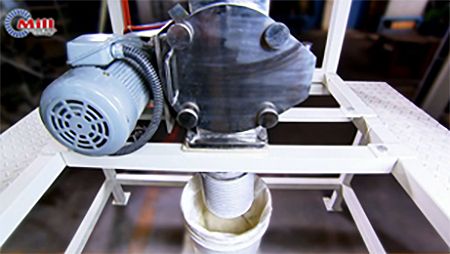
Now we have learned the basics of powder processing equipment. From grinding and mixing to drying and packaging, MPT’s comprehensive range of equipment helps manufacturers achieve greater efficiency, consistency, and quality across industries.
Based in Taiwan, MPT is a professional manufacturer of powder processing equipment. With decades of experience in turnkey system design, we deliver reliable solutions that support both small-scale precision work and large-scale automated production lines. MPT offers turnkey solutions—from raw material handling, pulverizing, and mixing to packaging—with full plant integration and customization capabilities.
Among our full lineup of powder processing machinery, the Ribbon Mixer stands out for precision mixing, easy cleaning, and scalable performance.
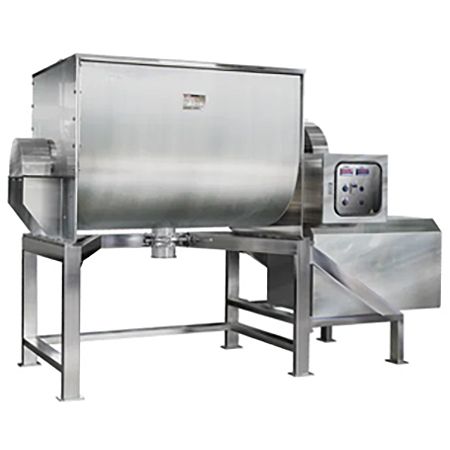
Explore more MPT mixers, mills, and sifters to find the right solution for your production needs. Please feel free to contact us for further information.
Popular Products
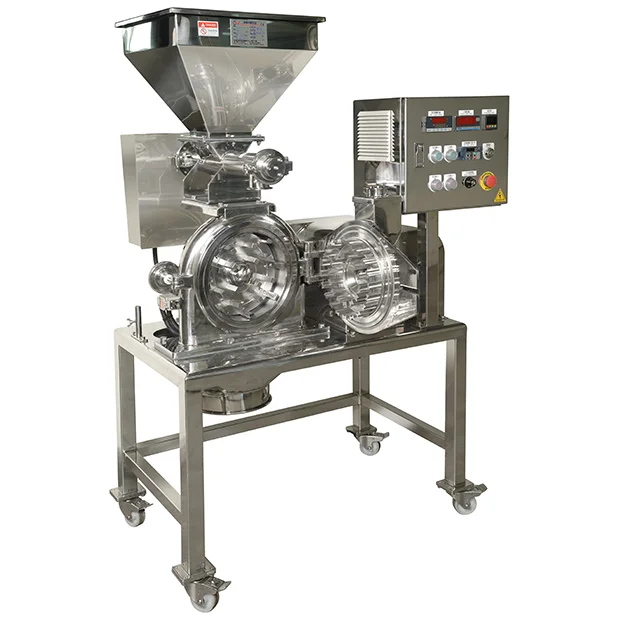
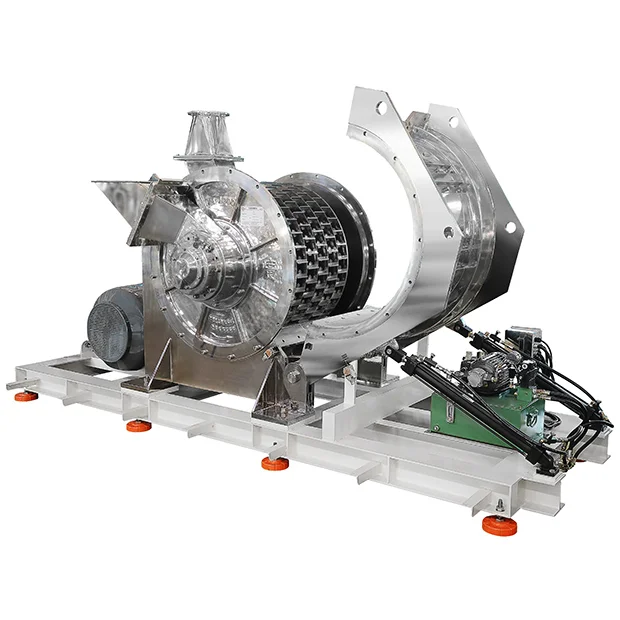
Guide to Powder Processing Equipment: Definition and Types | Mill Powder Tech Exhibitions
Catch the latest product announcements, case studies and success stories from powder processing projects around the world.
See upcoming exhibitions and trade shows where you can meet Mill Powder Tech engineers, view live demos and discuss your application face‑to‑face.
Bookmark this page for timely updates and resources that help you plan your next equipment upgrade.