
Choosing Industrial Food Powder Grinder for Spices and Additives | Turbo & Pin Mills for Food/Chemical Powders - Mill Powder Tech
Stay updated with Mill Powder Tech announcements — product news, trade show schedules and company updates for customers and partners worldwide.
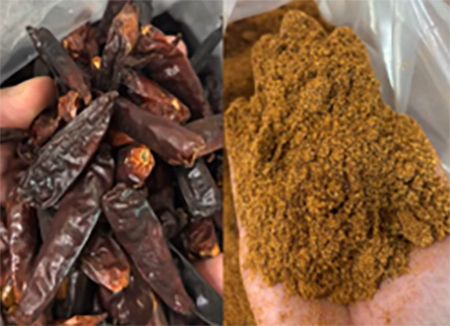
Choosing Industrial Food Powder Grinder for Spices and Additives
The smell of freshly ground pepper, the bright color of turmeric, or the fine texture of matcha powder, every detail depends on how it’s made
Choosing the right food powder grinder helps preserve those qualities and makes a real difference in your production efficiency, product consistency, and operating costs.
In spice and additive manufacturing, precision matters. The right equipment keeps flavor, color, and nutrients intact while ensuring a clean, reliable operation.
Why Choosing the Right Grinder Matters

In spice and additive production, the food powder grinder or spice-making equipment you choose can make or break your production process. It influences how smoothly your line runs, how consistent your powders are, and how much time and cost go into each batch.
The right grinder can help you:
1. Boost production efficiency
Automated grinding systems reduce manual handling and streamline production. By minimizing downtime and human error, they help manufacturers achieve higher output and consistent performance.
Some automated spice grinding lines can handle several tons of pepper, turmeric, or chili powder per day with continuous operation.
2. Ensure consistent product quality
The consistency of spices and additives is important because it directly affects flavor, mouthfeel, and how evenly products mix in recipes or formulations.
The right system can achieve accurate particle size control (10–100 mesh), ensuring even texture and stable flavor profiles. Spices like pepper, turmeric, or nutritional blends all rely on uniform grinding.
3. Meet food safety standards
Safety and compliance are the foundation of every operation in the food industry. A high-quality grinder features hygienic stainless-steel designs with seamless joints that comply with HACCP and FDA standards.
These designs help prevent contamination and ensure every batch is processed under safe, sanitary conditions.
4. Lower long-term operating costs
Durable grinder designs reduce maintenance needs and downtime, allowing your production line to run smoothly with fewer interruptions. This means more cost-effective production and reliable performance for the long run.
Key Factors to Consider When Selecting a Food Powder Grinder

Every ingredient behaves differently during grinding. Before investing in a grinder, evaluate these seven critical factors to help you choose the right equipment:
1. Material characteristics
Because the hardness, oiliness, and fiber structure for each ingredient vary, it’s essential to select a grinder designed for those specific material properties.
For example, turmeric and chili require different blades or cooling systems to prevent clogging and overheating. Matching your equipment to your ingredients helps keep production smooth and consistent.
2. Desired fineness
The fineness of the product determines which grinding technology works best. Fine powders, such as extracts, need precision control and high-speed impact mills.
Medium powders like nutritional blends require balanced cutting and airflow, while coarser textures, such as seasoning granules, call for slower, gentler systems.
3. Capacity requirements
Your production volume also affects what type of grinder and motor setup you need. Oversized systems can lead to energy waste and higher costs, while undersized ones may create bottlenecks and inconsistent supply.
Match the equipment’s throughput to your daily or hourly output to ensure stable production and smooth operation.
4. Temperature control
Many spices and nutrients are heat-sensitive, so excessive friction during the grinding process can affect their aroma, flavor, and nutritional value.
Low-temperature or water-cooled systems help these ingredients maintain their quality throughout the grinding process.
5. Hygiene and ease of cleaning
Grinding equipment should be easy to dismantle and clean, and made of stainless steel to prevent residue buildup and cross-contamination.
Every surface that comes into contact with food must comply with food-grade hygiene and safety standards.
6. Integration with production lines
Another important factor to consider is if the grinder can connect with conveyors, mixers, sifters, and packaging machines.
Seamless integration improves workflow efficiency, reduces human error, and minimizes contamination risks.
7. Budget and long-term cost
Beyond the initial cost, think about how much energy, maintenance, and replacement parts will add up over time.
Investing in a high-quality grinder helps lower ongoing expenses and keeps production steady with fewer breakdowns and interruptions. It delivers better long-term value.
Real-World Success Stories
Every client has different materials, goals, and challenges, and that’s where MPT’s experience makes the difference.
These examples show how MPT’s customized solutions help manufacturers achieve their production goals:
● Thumb King (Taiwan) improved throughput and product uniformity with a customized HM-10 pepper grinding system.
● PT. Motasa (Indonesia) streamlined turmeric processing and mixing with a sealed, high-efficiency crushing system.
● Adabi Consumer Industries (Malaysia) achieved smoother, clog-free wet grinding with a customized HM-5 setup.
1. Thumb King (Taiwan) – Black & White Pepper Grinding Line (HM-10)
Thumb King, a well-known pepper producer in Taiwan, was looking for a solution to handle large volumes without losing quality.
MPT customized the HM-10 grinder by adjusting the inlet, outlet, and layout to fit their production goals. This new setup helped them achieve high output with consistently high quality.
2. PT. Motasa (Indonesia) – Turmeric Grinding & Mixing System
When PT. Motasa needed an efficient way to process turmeric from whole roots into fine, uniform powder, MPT designed a customized system around their production plan.
Featuring a high-efficiency blade-type crusher followed by a ribbon mixer for even blending, the sealed design minimized contamination and improved material flow.
3. Adabi Consumer Industries (Malaysia) – Fresh Ginger & Tomato Grinding (HM-5)
Adabi Consumer Industries faced challenges grinding fresh ingredients, which often caused clogging and uneven texture.
MPT implemented a customized HM-5 setup that expanded the hammer mill’s application to handle fresh, wet materials, including tomatoes, chili, and ginger. Through continuous testing and cooperation, the Adabi team achieved significant improvements in wet grinding performance.
FAQs
Q1. Do different ingredients require different grinders?
Yes, ingredients with high oil or fiber content need specific blades or cooling systems. MPT provides customized recommendations based on your raw materials and production needs.
Q2. How can I prevent aroma or nutrient loss during grinding?
MPT grinders can include water-cooling jackets or cooling systems to reduce heat buildup during milling. This helps preserve both the ingredient’s aroma and nutritional integrity.
Q3. Can I test materials before purchasing?
Absolutely. MPT offers grinding tests, fineness analysis, and capacity evaluation. Customers can test multiple models at our demo center to ensure the machine fits their needs before purchase.
Finding the Right Grinder Starts with the Right Partner
Choosing the right industrial grinder is an investment in quality, efficiency, and long-term reliability. For manufacturers of spices, sugar, grain, food additives, and seasonings, MPT delivers precision pulverizing systems with unmatched quality and stability. MPT’s customized systems are built to handle a wide range of materials safely, consistently, and with care.
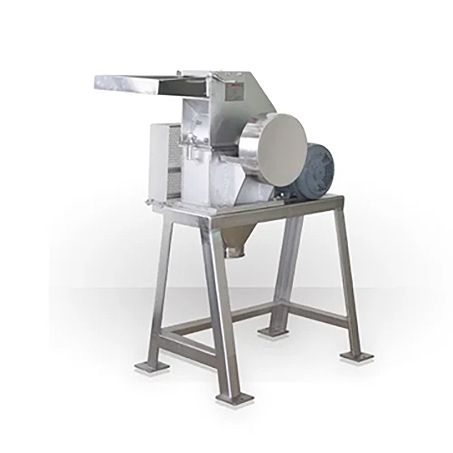
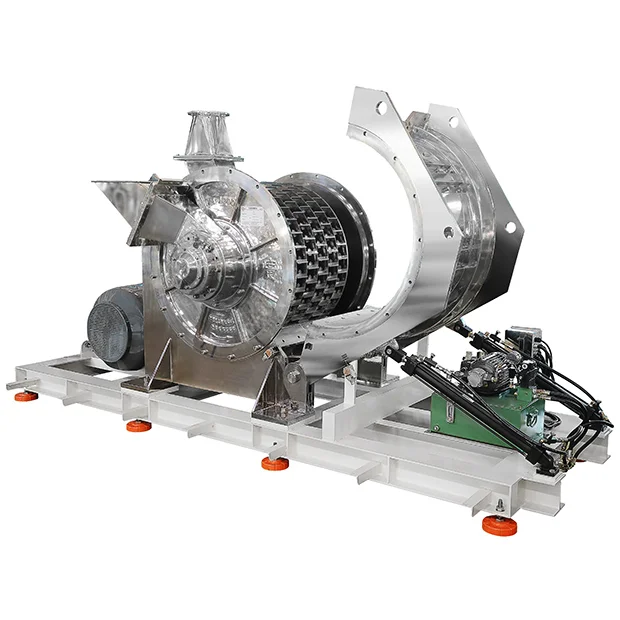
Founded in Taiwan in 1940, MPT is a trusted manufacturer of industrial food powder grinders. The Hammer Mill (Model HM-5), for example, demonstrates MPT’s technical excellence in helping spice and additive producers achieve consistent results and improved productivity.
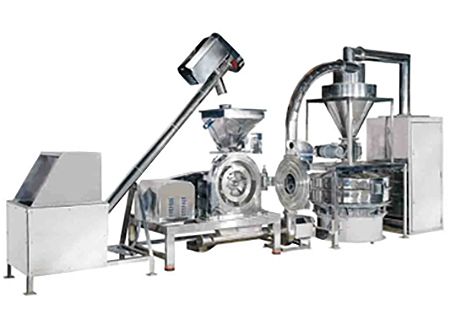
In addition to the HM series, MPT offers a comprehensive selection of mills, mixers, and powder processing systems. Contact us to learn more about our food powder grinders and spice-making equipment.
Popular Products
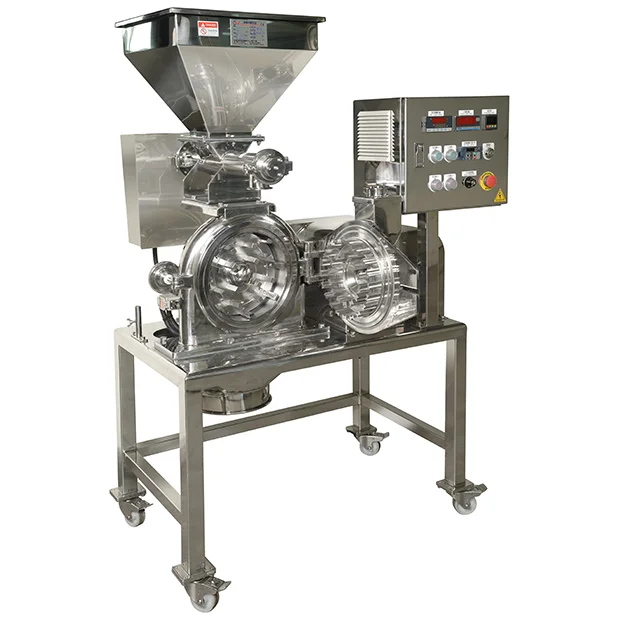
Choosing Industrial Food Powder Grinder for Spices and Additives | Mill Powder Tech Exhibitions
Catch the latest product announcements, case studies and success stories from powder processing projects around the world.
See upcoming exhibitions and trade shows where you can meet Mill Powder Tech engineers, view live demos and discuss your application face‑to‑face.
Bookmark this page for timely updates and resources that help you plan your next equipment upgrade.