Plastic and Rubber Scrap Recycling with Advanced Mill Machines
With advanced milling technology, plastic waste can be efficiently recycled into reusable materials, helping manufacturers create new business value.
Plastic and rubber manufacturing processes inevitably generate material waste. These scraps are often seen as an unavoidable byproduct of production, but when left untreated, they increase raw material costs, storage burdens, and environmental impact.
However, with advanced milling technology, manufacturers can turn the recycling of plastic waste into a business opportunity by converting scrap materials into reusable resources.
Challenges of Rubber and Plastic Scrap Recycling
Rubber and plastic recycling is a necessary solution, but it comes with real-world challenges.
As sustainability becomes a priority across the agricultural sector, farming waste management has become essential to meeting ESG commitments and environmental goals. Advanced milling systems play a central role in making this possible.
• Unavoidable scrap generation in productionLarge amounts of edge trims, offcuts, defective parts, and scrap are left over after plastic and rubber manufacturing. These byproducts are difficult to avoid, especially in high-volume or precision production lines.
Excess materials not only take up storage space but also lose value if discarded or incinerated. Without recycling and reprocessing, production costs and environmental burden increase.
• Rising demands under the circular economyWith the global push toward a circular economy, manufacturers are under pressure to improve scrap reuse and recycling rates.
Companies that fail to do so face regulatory pressure, higher disposal costs, and growing scrutiny from customers and investors.
• Environmental responsibility and corporate imageIn recent years, sustainability has become a key consideration across the manufacturing industry. The recycling of plastic waste is now widely recognized as a social responsibility that directly shapes corporate image.
How companies approach rubber waste management and recycling directly influences customer trust, partnerships, and long-term competitiveness.
Why Choose Milling Technology for Recycling?
Milling technology offers a reliable way to consistently convert plastic and rubber scrap into reusable materials, making rubber waste management more practical and scalable.
• Controlled particle size for reuseMilling breaks down large, bulky waste into controlled particle sizes for reuse in production. It makes downstream reprocessing more efficient and consistent by ensuring uniform particle sizes.
• Reduced storage and transportation costsPulverized materials take up less space, making them easier to handle, store, and transport within the production facility. This helps lower storage and logistics costs while streamlining the recycling workflow.
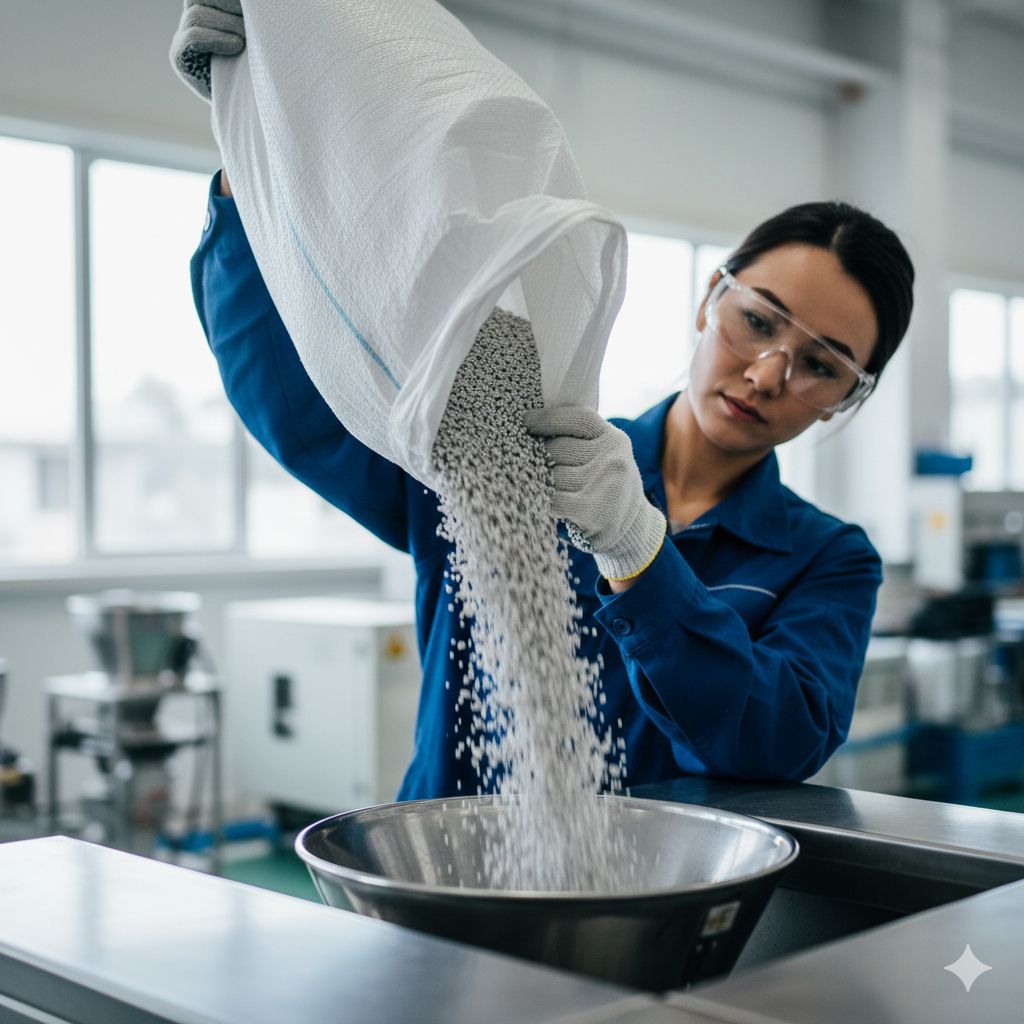
• Direct reintegration into productionOnce processed, powders and granules can be reused directly in manufacturing applications. For example, recycled plastic powder can be fed back into injection molding or extrusion, and rubber fine powder can be added to compounding processes to reduce the use of virgin materials.
The Role of Milling Machines in Rubber and Plastic Recycling
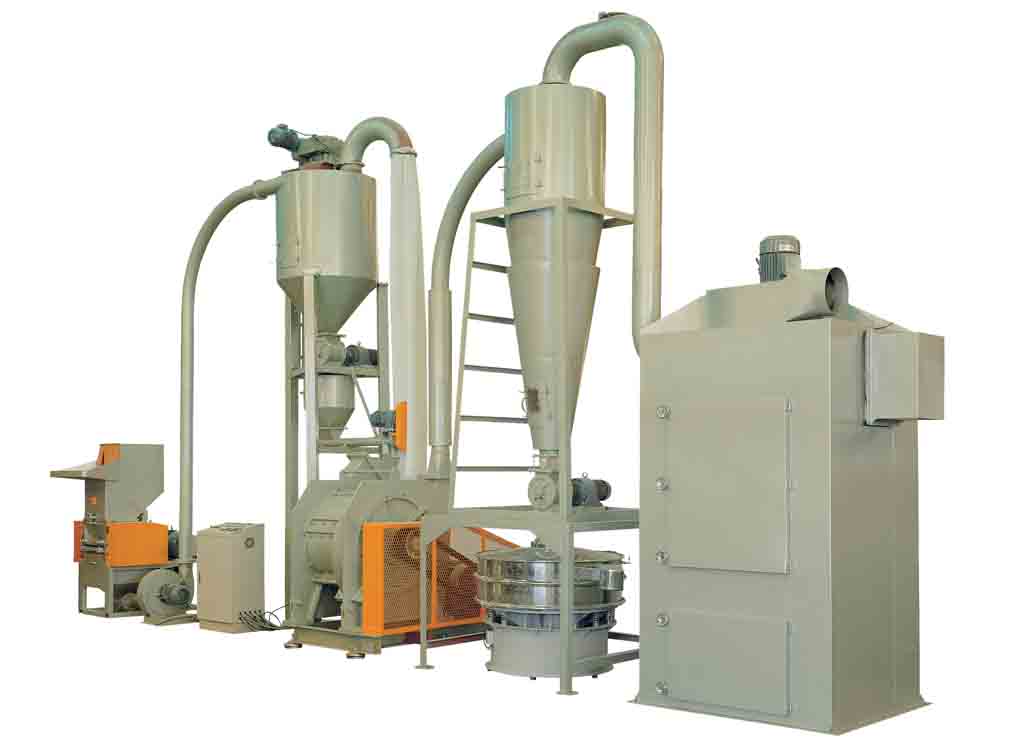
Milling machines are the core equipment that transform rubber and plastic scrap through a series of processing steps.
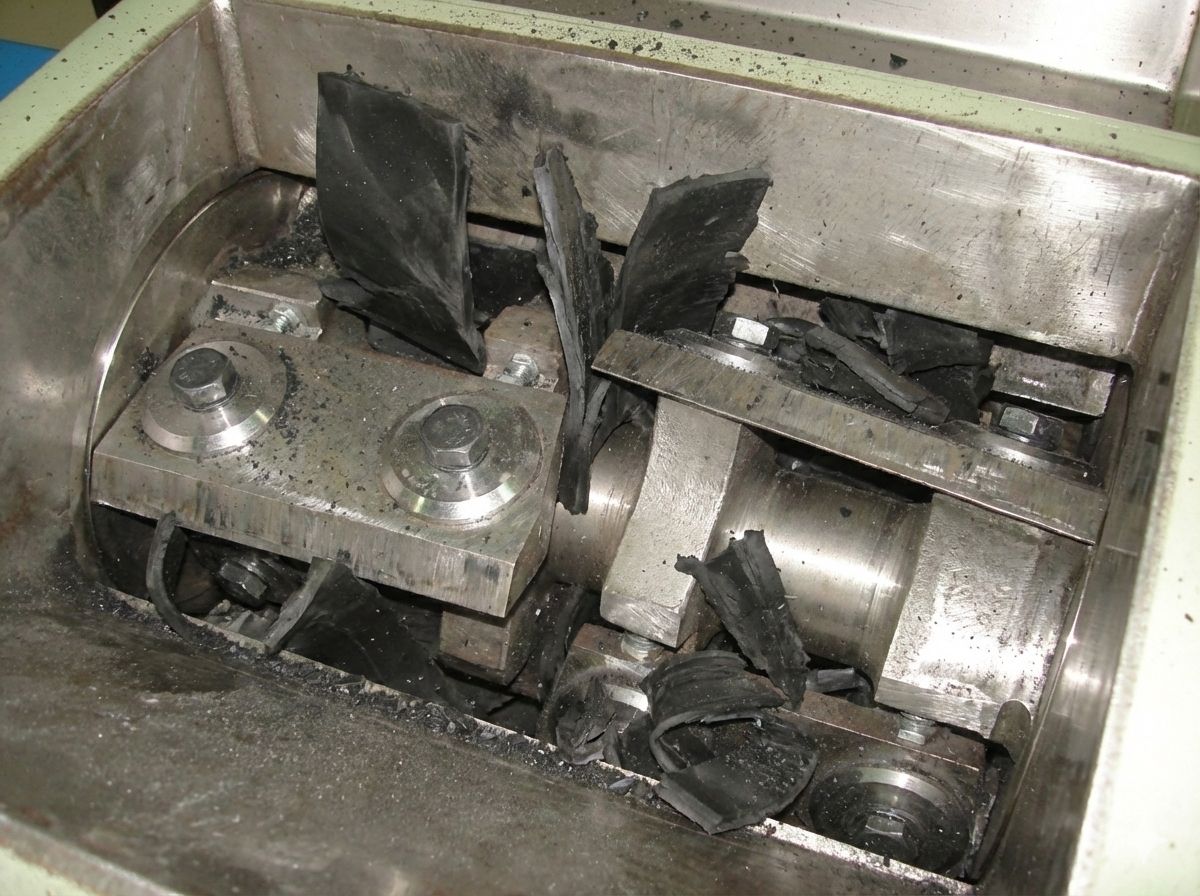
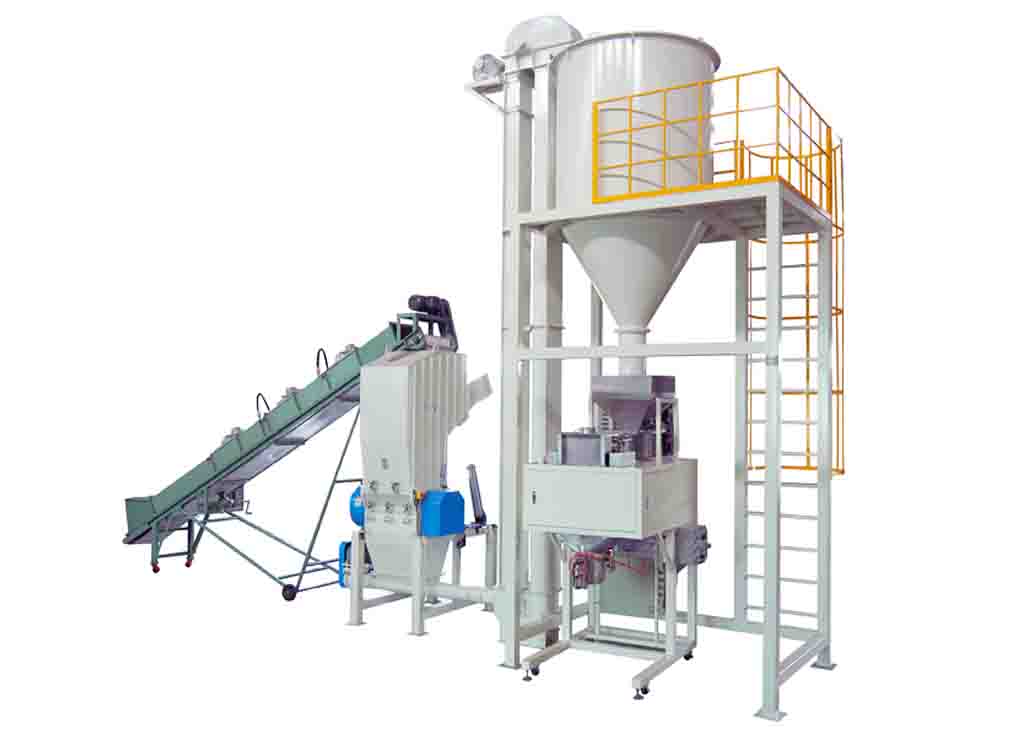
1. Pre-processingBefore fine milling, large scrap materials are first processed using a dual-shaft shredder (DSS) to reduce them into smaller pieces for crushing.
After shredding, the material is fed into a crusher, such as Mill Powder Tech’s CCM Crusher, to be cut into approximately 5-7mm.
2. Fine grindingThe fine-grinding process converts the processed granules into fine powder for reuse in various applications. Smaller and more consistent particle sizes are easier to blend, modify, and reintroduce into production.
Mill Powder Tech’s TM Turbo Mill System is designed for efficient fine grinding with stable output and controlled fineness.
3. Classification and screeningAfter grinding, the materials undergo classification and screening to ensure consistent particle size. This stage removes uneven or oversized particles that could affect downstream processing.
Mill Powder Tech’s Vibrating Screening Machine is critical to this process, as it helps achieve the consistent size required for different applications.
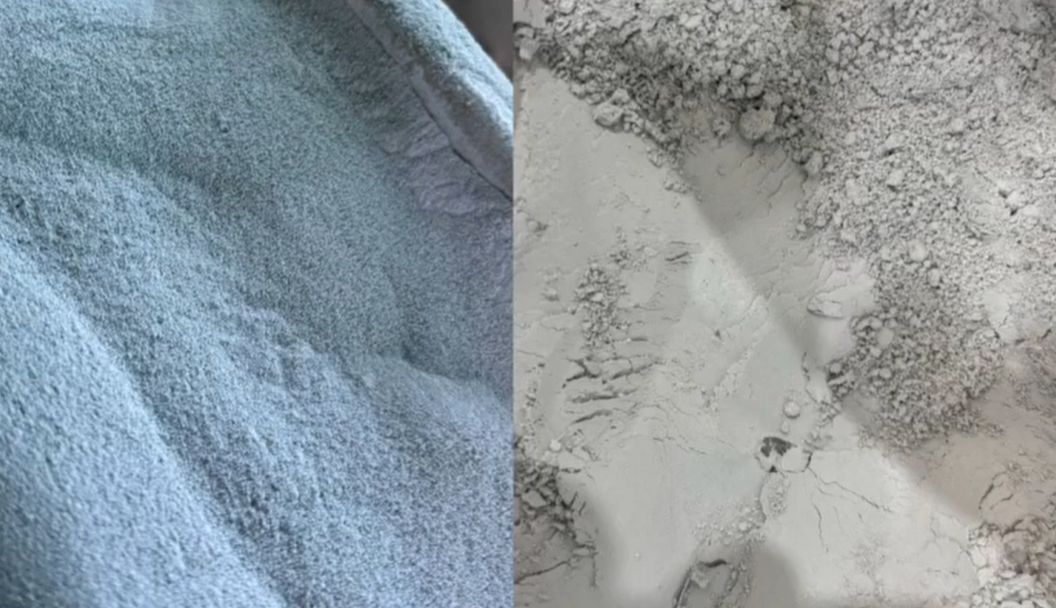
4. Ultrafine powder processingFor high-end applications, such as composite materials and modified plastics, ultrafine powders are required. Finer particle sizes improve dispersion, material bonding, and overall product performance.
5. Recompounding and material reuseAfter grinding and screening, materials can be partially reintroduced into mixing and compounding processes. By blending recycled powder with virgin materials, manufacturers can reduce raw material usage while maintaining stable product performance and quality.
6. Dust and exhaust gas controlTo prevent dust dispersion during milling, manufacturers connect a dust collector to systems. The dust collector captures airborne particles and purifies exhaust gases before release, and reduces air pollutant emissions.
Applications of Recycled Plastic and Rubber Scraps
Milled plastic and rubber scraps become versatile raw materials for multiple applications:
• Recycled plastic powder and granulesRecycled plastic powders and granules are commonly used in injection molding and extrusion processes to produce new plastic products, including fittings, panels, and molded parts.
• Rubber fine powderRecycled rubber powder is widely applied in footwear materials, gaskets, and sports flooring surfaces. Fine rubber particles improve flexibility, shock absorption, and wear resistance in finished products.
• High-fineness powdersHigh-fineness powders are added to composite materials or plastic and rubber formulations to improve performance. Ultrafine particles help enhance strength, durability, and material consistency.
FAQs
Q1: Can all types of plastic and rubber waste be recycled?
Yes, but recycling methods differ based on material properties and application requirements:
• Thermoplastics (e.g., PE, PP, PVC): Can be crushed and reprocessed into granules, then fed back into production.
• Thermoset rubber (e.g., tires, seals): Cannot be remelted, but can be processed into fine powders and used as fillers or modifiers.
Choosing the right milling equipment, such as cutting mills or turbo mills, helps manufacturers maintain stable quality and preserve the economic value of recycled materials.
Q2: Will recycled powders or granules affect final product quality?
No. The quality of recycled materials can be controlled when the proper milling and classification systems are used. Manufacturers can precisely adjust particle size through screening to ensure consistent fineness and prevent uneven processing during production.
In practice, many manufacturers already use recycled materials to produce high-quality pipes, mats, and rubber components. They’ve successfully reduced material costs while still maintaining performance and sustainability standards.
Q3: Is investing in milling equipment for plastic and rubber recycling cost-effective?
Yes. From a long-term perspective, investing in milling equipment is highly cost-effective.
Recycled materials can replace a portion of virgin raw materials, significantly lowering material costs over time. Milling systems also improve production flexibility by enabling scrap to be quickly recycled and reused. There are fewer storage, handling, and disposal needs.
Beyond cost savings, recycling supports waste-reduction regulations and strengthens a company’s sustainability image.
Turning Scrap to Resources with Mill Powder Tech
Scrap materials no longer need to be treated as production loss. With advanced milling technology, plastic and rubber waste can be transformed into usable materials that support efficiency and sustainability.
Mill Powder Tech (MPT) provides integrated, plant-level plastic and rubber recycling solutions that help manufacturers reduce waste, lower material costs, and build more sustainable and efficient production systems.
Solutions can be tailored to match material properties, production capacity, and recycling goals. Get in touch to discuss a customized recycling solution for your operation.